Understanding How Retaining Walls Shape Landscape Management
Managing sloped landscapes can be a challenging task. Uneven terrains often lead to soil erosion and drainage problems. That’s where retaining walls come into play. These structures help stabilize the soil, prevent erosion, and create usable land on slopes. As more homeowners look to enhance their outdoor spaces, understanding the role of retaining walls becomes increasingly important.
Benefits of Retaining Walls for Sloped Landscapes
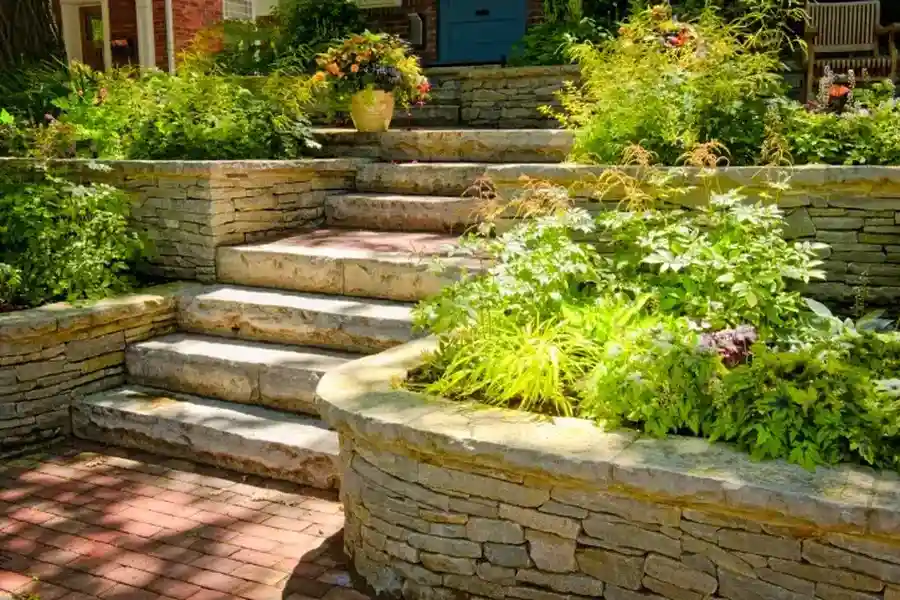
Retaining walls offer multiple benefits for managing sloped landscapes. One significant advantage is that they prevent soil erosion by holding back the soil on steep inclines. This helps maintain the integrity of your property over time. Additionally, these walls improve water drainage, reducing the risk of flooding. They also add aesthetic appeal, creating terraces or levels that increase your landscape’s usability. These changes not only boost property value but also make outdoor activities more enjoyable.
Challenges Faced in Sloped Landscape Management
Sloped landscapes present several challenges, including soil instability and poor drainage. Without proper measures, these issues can lead to costly damages. You may face frequent maintenance requirements and even structural damage to nearby buildings. Adverse weather conditions exacerbate these problems, washing away topsoil and causing landslides. Addressing these challenges early with effective solutions like retaining wall installation is crucial for long-term stability.
Implementing Effective Solutions
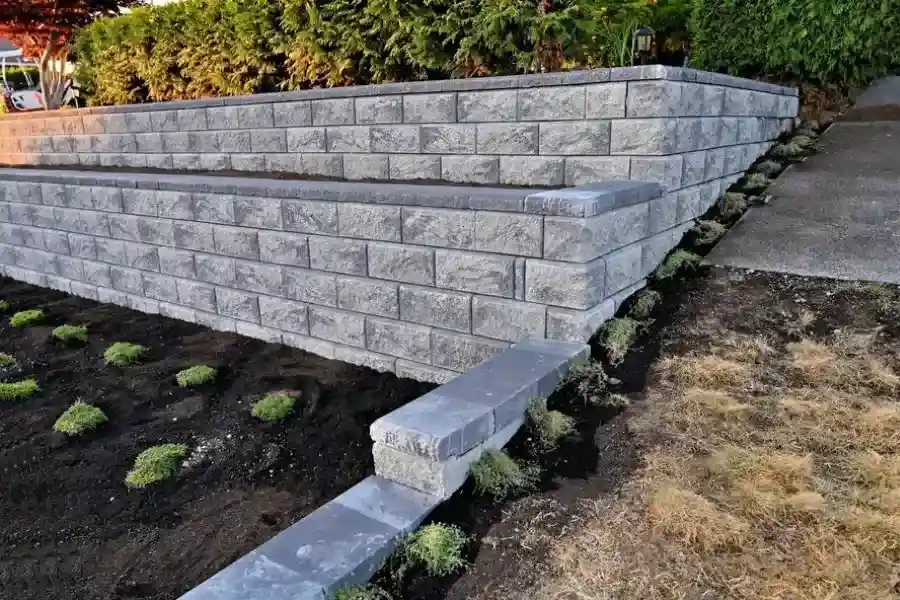
To manage sloped landscapes effectively, you need a well-planned approach. Start by assessing the site’s specific needs and challenges. An experienced professional can help design a suitable structure tailored to your landscape’s unique features. During this planning phase, factors such as soil type, slope angle, and drainage patterns should be considered. Proper retaining wall installation can significantly mitigate risks associated with uneven terrains.
Expert Tips for Maintaining Retaining Walls
Maintaining your retaining walls ensures they function optimally for years to come. Here are some expert tips:
- Inspect regularly for any signs of wear or damage
- Ensure proper drainage systems remain unclogged and functional
- Avoid planting large trees too close to the wall
- Consult professionals for periodic evaluations
By following these tips, you will extend the lifespan of your retaining walls and maintain their effectiveness.
Industry Standards in Retaining Wall Construction
Adhering to industry standards is critical when constructing retaining walls. Regulations vary depending on location, so it’s essential to consult local building codes before beginning construction. Materials used must meet quality benchmarks to withstand environmental pressures. Structural stability should be evaluated according to engineering principles to ensure safety and durability.
Cost Considerations for Retaining Walls
The cost of installing a retaining wall depends on various factors such as materials used, wall height, and labor costs. While initial expenses might seem high, consider the long-term savings from preventing soil erosion and property damage. Investing in quality materials and skilled labor ensures the wall’s longevity, offering a return on investment through enhanced landscape aesthetics and functionality.
Your Guide to Successful Retaining Wall Projects
If you’re considering improving your sloped landscape, now is an excellent time to start planning. At TSG Landscaping, our team specializes in designing and implementing efficient solutions tailored to your needs. Contact us at (573) 257-6619 to explore how we can help transform your landscape into a stable and visually appealing space. We proudly serve clients throughout Jefferson City, MO, ensuring every project meets high standards of quality and satisfaction.